Books can feel like doorways to new worlds, windows into other lives, or companions that stay with us long after we finish reading. The best similes for books capture their power to entertain, teach, inspire, and transport readers through imagination. Whether you need a simple comparison for a school assignment or a vivid description for a poem, story, or essay, these 45 similes offer ideas for different moods and situations. Each example includes a meaning and a sentence to help you use it naturally.
Quick Answer: What Are Some Good Similes for Books?
Good similes for books include like a doorway to another world, like a treasure chest of knowledge, like a loyal friend, like a window into the past, and like a lighthouse in the dark. These comparisons describe how books open new possibilities, preserve information, provide comfort, reveal history, and guide readers. The best choice depends on whether you want to emphasize imagination, learning, emotion, adventure, or the physical appearance of a book.
What Does a Book Simile Mean?
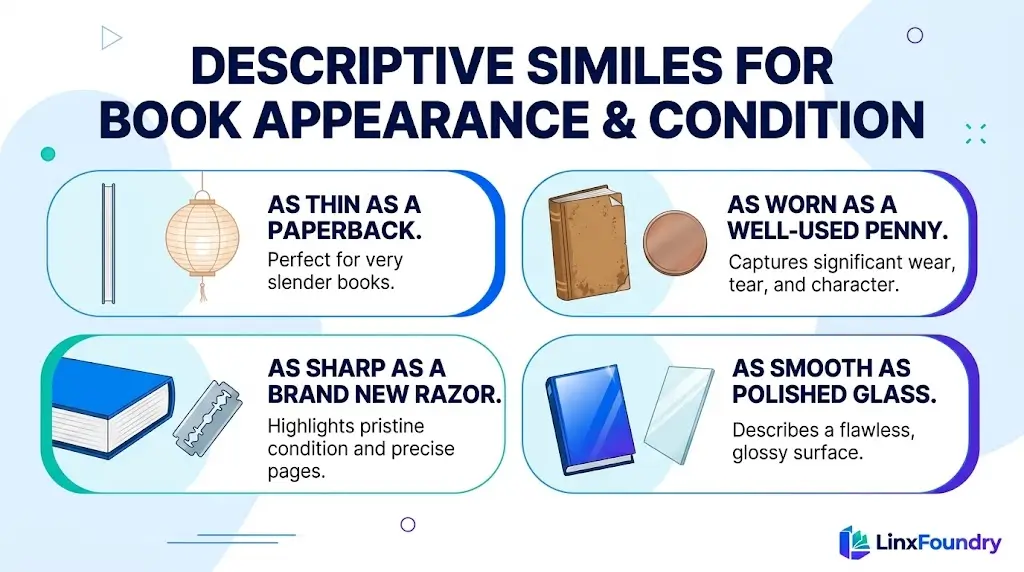
A book simile compares a book or the experience of reading to something different, using words such as like or as. It helps readers picture an idea or understand a feeling more clearly.
For example, “The book was like a doorway to another world” suggests that reading takes someone beyond ordinary life and into an imagined place. Similarly, “The old book was as fragile as a dried leaf” emphasizes its delicate condition.
Similes can describe books as physical objects, sources of knowledge, emotional companions, or gateways to fictional adventures.
45 Best Similes for Books
Similes That Describe the Magic of Reading
These comparisons are useful when writing about imagination, adventure, and the experience of getting lost in a story.
1. A book is like a doorway to another world.
Meaning: A book allows readers to explore places, experiences, and ideas beyond their everyday lives.
Example: When Maya opened the fantasy novel, it felt like a doorway to another world filled with dragons and hidden kingdoms.
2. A book is like a passport to distant lands.
Meaning: Reading allows people to explore unfamiliar countries, cultures, and landscapes without traveling.
Example: His travel books were like passports to distant lands he hoped to visit one day.
3. A book is like a window into someone else’s life.
Meaning: A book can help readers understand another person’s experiences, thoughts, and emotions.
Example: The memoir was like a window into the life of a woman who had overcome extraordinary challenges.
4. A storybook is like a map to an imaginary kingdom.
Meaning: A story guides readers through an invented world and its adventures.
Example: Each chapter felt like a map to an imaginary kingdom where anything was possible.
5. A good book is like a key to a hidden world.
Meaning: Reading reveals places, ideas, and experiences that readers might never otherwise discover.
Example: The science-fiction novel was like a key to a hidden world beyond the stars.
6. Reading a novel is like riding a train through unfamiliar scenery.
Meaning: A novel carries readers through changing events, settings, and experiences.
Example: Reading the adventure story was like riding a train through unfamiliar scenery, with a surprise waiting around every bend.
7. A fantasy book is like a dream painted with words.
Meaning: The story creates an imaginative experience that feels vivid and unreal.
Example: With its floating cities and talking animals, the fantasy book was like a dream painted with words.
8. A gripping novel is like a winding road through a forest.
Meaning: The plot leads readers through unexpected turns and discoveries.
Example: The mystery was like a winding road through a forest, keeping us uncertain about what lay ahead.
Similes That Describe Books as Sources of Knowledge
Use these comparisons in school assignments, educational writing, essays, and discussions about the value of reading.
9. A book is like a treasure chest of knowledge.
Meaning: Books contain valuable facts, ideas, and discoveries.
Example: The encyclopedia was like a treasure chest of knowledge for our school research project.
10. A textbook is like a ladder to understanding.
Meaning: A textbook helps learners progress from basic concepts to more advanced ideas.
Example: The carefully organized mathematics textbook was like a ladder to understanding difficult equations.
11. A history book is like a time machine.
Meaning: Historical writing helps readers imagine and understand life in earlier periods.
Example: The history book was like a time machine that transported us to ancient Rome.
12. A dictionary is like a toolbox for language.
Meaning: A dictionary provides useful resources for understanding and using words.
Example: For a young writer, a dictionary is like a toolbox filled with words for every occasion.
13. A science book is like a telescope for the mind.
Meaning: Scientific books help readers examine ideas and phenomena they cannot easily observe themselves.
Example: The astronomy book was like a telescope for the mind, bringing distant galaxies within reach of our imagination.
14. An educational book is like a patient teacher.
Meaning: A book can explain concepts repeatedly and allow readers to learn at their own pace.
Example: Whenever he struggled with grammar, the reference book was like a patient teacher he could consult again.
15. A book of poetry is like a garden of ideas.
Meaning: Poetry offers a variety of images, emotions, and thoughts that readers can explore.
Example: Her poetry collection was like a garden of ideas, with every poem revealing a different shade of human experience.
16. A biography is like a mirror held up to history.
Meaning: A biography reflects a person’s life while revealing the circumstances and events of an era.
Example: The biography was like a mirror held up to history, showing how one inventor changed the world around him.
Similes That Describe the Emotional Power of Books
Books can comfort, encourage, challenge, and connect people. These similes work especially well in personal essays, reviews, and reflective writing.
17. A favorite book is like a loyal friend.
Meaning: A familiar book provides comfort and remains enjoyable even after repeated readings.
Example: Whenever I felt lonely, my favorite childhood novel was like a loyal friend waiting on my shelf.
18. A comforting book is like a warm blanket on a cold night.
Meaning: Reading can create a feeling of safety, warmth, and relaxation.
Example: Her grandmother’s collection of gentle stories was like a warm blanket on a cold night.
19. An inspiring book is like a spark in dry grass.
Meaning: A powerful book can quickly ignite enthusiasm or encourage action.
Example: The entrepreneur’s memoir was like a spark in dry grass, setting off a chain of new ideas.
20. A sad novel is like rain against a quiet window.
Meaning: A sad story creates a reflective, melancholy mood.
Example: The final chapters were like rain against a quiet window, leaving the reader thoughtful and subdued.
21. A motivational book is like a lighthouse in a storm.
Meaning: An encouraging book can offer direction when someone faces uncertainty or difficulty.
Example: During a difficult career change, the book became like a lighthouse in a storm.
22. A beloved book is like an old photograph.
Meaning: A familiar book can bring back memories of earlier experiences and stages of life.
Example: Reading her childhood storybook was like looking at an old photograph filled with treasured memories.
23. A powerful novel is like a mirror reflecting the heart.
Meaning: A novel can reveal feelings and experiences readers recognize in themselves.
Example: The story of friendship was like a mirror reflecting the heart, reminding Daniel of his own relationships.
24. A moving book is like a song that stays in your head.
Meaning: A memorable book continues to influence a reader’s thoughts long after it has been finished.
Example: The final paragraph was like a song that stays in your head, returning to her thoughts for days.
Similes for Exciting and Unputdownable Books
These comparisons are ideal for book reviews, recommendations, and descriptions of thrillers or adventure stories.
25. A thriller is like a roller coaster in the dark.
Meaning: The story creates suspense, sudden surprises, and intense excitement.
Example: The thriller was like a roller coaster in the dark, delivering twists before I could predict what came next.
26. An exciting novel is like a firework display.
Meaning: The story is full of energy, surprises, and spectacular moments.
Example: The final chapters were like a firework display, bursting with action and unexpected revelations.
27. A mystery book is like a puzzle with missing pieces.
Meaning: Readers must gather clues and connect details to solve the central mystery.
Example: Every chapter of the detective novel was like a puzzle with missing pieces, challenging us to identify the culprit.
28. An adventure book is like a river rushing toward the sea.
Meaning: The plot moves forward with energy and momentum.
Example: The adventure story was like a river rushing toward the sea, sweeping its characters from one challenge to another.
29. A suspenseful story is like a ticking clock.
Meaning: The story creates pressure by making readers feel that time is running out.
Example: With only an hour left to save the missing scientist, the novel felt like a ticking clock.
30. A plot twist is like a sudden lightning strike.
Meaning: An unexpected development surprises readers and changes their understanding of the story.
Example: The revelation about the narrator was like a sudden lightning strike that changed everything.
31. A cliffhanger is like standing at the edge of a bridge.
Meaning: The ending leaves readers uncertain about what will happen next.
Example: The last chapter ended like standing at the edge of a bridge, with the next step hidden from view.
32. A captivating book is like a magnet pulling you forward.
Meaning: The story creates such strong interest that readers want to keep turning pages.
Example: The detective’s search for the truth was like a magnet pulling me forward through every chapter.
Similes for the Appearance and Condition of Books
These comparisons help writers describe the physical qualities of books, from their covers and pages to their age and condition.
33. An old book is as fragile as a dried leaf.
Meaning: The book is delicate and can tear or crumble easily.
Example: The librarian turned the yellowed pages carefully because the old book was as fragile as a dried leaf.
34. A thick book is like a brick in your backpack.
Meaning: The book is heavy, bulky, or inconvenient to carry.
Example: My history textbook was like a brick in my backpack during the long walk home.
35. A glossy book cover is as shiny as a polished mirror.
Meaning: The cover reflects light and has a smooth, bright finish.
Example: Under the bookstore lights, the glossy cover was as shiny as a polished mirror.
36. A dusty book is like a forgotten attic.
Meaning: The book appears neglected and suggests that it has not been used for a long time.
Example: The dusty volume was like a forgotten attic, hiding stories no one had opened in years.
37. A book’s pages are as white as fresh snow.
Meaning: The pages are very clean, bright, and unmarked.
Example: The unused notebook had pages as white as fresh snow.
38. A well-worn book is like a favorite pair of shoes.
Meaning: The book shows signs of use but remains familiar, comfortable, and loved.
Example: With its bent corners and faded cover, the novel was like a favorite pair of shoes.
39. A stack of books is like a tower of building blocks.
Meaning: Books piled on top of one another resemble a structure made from blocks.
Example: The books on his desk formed a tower of building blocks that nearly reached the lamp.
Similes for the Lasting Value of Books
Use these examples to explain why books matter to individuals, families, and society.
40. A library is like an ocean of stories.
Meaning: A library contains an enormous variety of stories, facts, and ideas.
Example: Walking into the public library felt like entering an ocean of stories, with a new discovery on every shelf.
41. A book is like a seed planted in the mind.
Meaning: An idea from a book can grow over time and influence future thoughts or actions.
Example: The teacher’s book about environmental protection was like a seed planted in the minds of her students.
42. A collection of books is like a bridge between generations.
Meaning: Books preserve knowledge, memories, and ideas that people can share across different ages.
Example: The family history collection was like a bridge between generations, connecting grandchildren with their ancestors.
43. A classic novel is like a tree with deep roots.
Meaning: A classic can remain meaningful over time because of its lasting themes and influence.
Example: The novel was like a tree with deep roots, continuing to speak to readers decades after its publication.
44. A book of wisdom is like a compass in unfamiliar territory.
Meaning: A thoughtful book can help readers make sense of difficult choices or unfamiliar situations.
Example: Her philosophy book was like a compass in unfamiliar territory as she considered the direction of her life.
45. A book’s message is like an echo across time.
Meaning: An author’s ideas can continue to influence people long after the author is gone.
Example: The writer’s message about courage was like an echo across time, inspiring readers in different generations.
Quick-Reference Table: Choosing the Right Book Simile
| Simile | Meaning | Best Used For |
|---|---|---|
| Like a doorway to another world | Imagination and discovery | Fantasy stories |
| Like a treasure chest of knowledge | Valuable information | Essays and education |
| Like a loyal friend | Comfort and familiarity | Personal reflections |
| Like a time machine | Access to the past | History writing |
| Like a roller coaster in the dark | Suspense and excitement | Thrillers |
| Like a puzzle with missing pieces | Clues and uncertainty | Mystery reviews |
| As fragile as a dried leaf | Delicate condition | Physical descriptions |
| Like a seed planted in the mind | Ideas that grow | Reflective essays |
| Like a bridge between generations | Shared knowledge and memories | Family histories |
| Like an echo across time | Lasting influence | Literary analysis |
How to Use Similes for Books in Your Writing
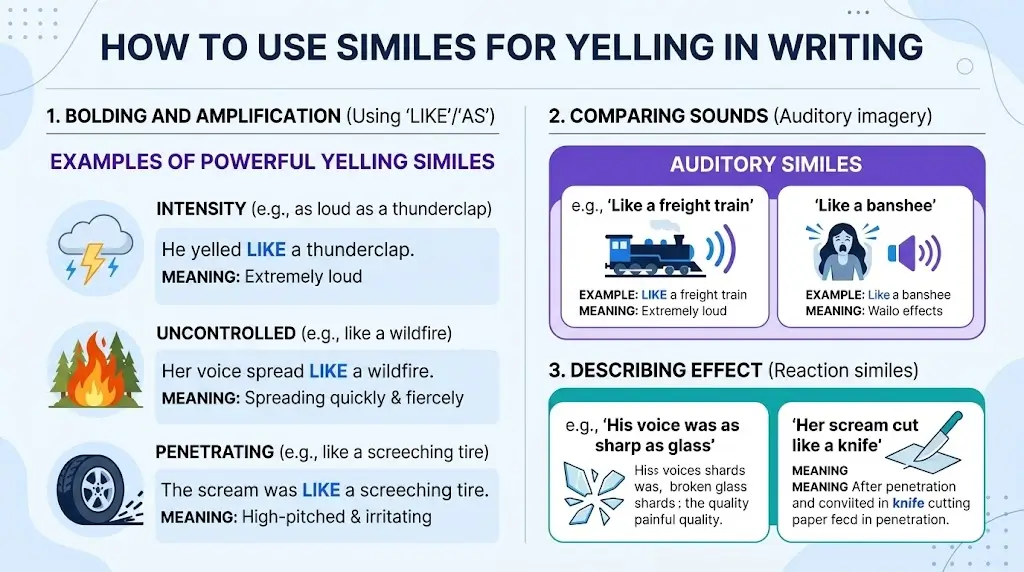
A strong simile does more than decorate a sentence. It helps readers understand the particular quality you want to emphasize.
1. Choose a comparison that matches your purpose
Think about the book’s main quality before selecting a comparison.
- For imagination: “The fantasy novel was like a doorway to another world.”
- For learning: “The textbook was like a ladder to understanding.”
- For emotional comfort: “The novel was like a loyal friend.”
- For suspense: “The mystery was like a ticking clock.”
- For age and condition: “The old book was as fragile as a dried leaf.”
Each comparison creates a different impression. Choose one that supports the point you are making.
2. Use similes to make book reviews more descriptive
Instead of writing, “The novel was exciting,” describe the experience more specifically.
Plain sentence: The mystery novel kept me interested.
Improved sentence: The mystery novel was like a puzzle with missing pieces, making every chapter a new challenge.
The revised version explains why the reader stayed interested. It also gives potential readers a clearer idea of the book’s style.
3. Use similes in stories and poems
In creative writing, a simile can establish atmosphere or reveal a character’s personality.
Story example: She held the old book as gently as a bird resting in her hands.
This comparison suggests that the book is precious or delicate.
Poetry example: The pages whispered like leaves in an autumn breeze.
This comparison uses sound and movement to create a quiet, reflective mood.
4. Avoid using too many comparisons at once
One effective simile often creates a stronger impression than several competing comparisons.
For example, “The book was a treasure chest, a doorway, a lighthouse, and a bridge” introduces too many images at once. Decide whether the book’s knowledge, imaginative power, guidance, or connection matters most in the sentence.
Also, remember that similes should sound natural. An unusual comparison can be memorable, but readers should understand the connection between the two things.
Frequently Asked Questions
1. What is a good simile for a book?
A good simile for a book is “a book is like a doorway to another world.” It describes how reading allows people to explore imaginary places, different perspectives, and unfamiliar experiences. For educational writing, “a book is like a treasure chest of knowledge” is another useful choice.
2. What is a creative simile for reading?
“Reading is like riding a train through unfamiliar scenery” is a creative simile for reading. It compares the reading experience to a journey that introduces new places, people, and surprises along the way.
3. What is a simile for a book lover?
“A favorite book is like a loyal friend” is a suitable simile for a book lover. It expresses the comfort, familiarity, and enjoyment that a beloved book can provide over many years.
4. What is a simile for an old book?
“An old book is as fragile as a dried leaf” describes a book that has become delicate with age. If you want to emphasize affection rather than physical condition, “a well-worn book is like a favorite pair of shoes” is a better choice.
5. How do you describe a book using a simile?
Identify the quality you want to describe, then compare it to something that shares that quality using like or as. For example, describe a suspenseful book as “like a ticking clock” or an informative book as “like a toolbox for the mind.”
6. Can I use book similes in school essays?
Yes. Similes can make descriptive and reflective essays more engaging. Choose comparisons that support your point, explain their meaning when necessary, and avoid using too many in formal academic writing. In analytical essays, make sure figurative language does not replace evidence about the text.
7. What is the difference between a simile and a metaphor about a book?
A simile makes an explicit comparison using words such as like or as. A metaphor describes one thing as another without those comparison words.
- Simile: The book was like a window into the past.
- Metaphor: The book was a window into the past.
Both can communicate a similar idea, but the simile states the comparison more explicitly.
Practice Section: Learn to Recognize Book Similes
Test your understanding with these five short exercises.
Question 1: Which sentence contains a simile?
A. The book has 250 pages.
B. The novel was like a roller coaster in the dark.
C. The author published a new story.
Question 2: Complete the comparison: “A book is like a ______ of knowledge.”
A. treasure chest
B. ticking clock
C. dried leaf
Question 3: Which simile best describes an old, delicate book?
A. Like a magnet pulling you forward.
B. As fragile as a dried leaf.
C. Like a firework display.
Question 4: Rewrite this sentence using a simile: “The history book helped us imagine life in ancient times.”
Question 5: Create your own simile describing a book that makes readers feel comfortable and safe.
Practice Answers
- B. “Like a roller coaster in the dark” uses like to compare the novel with an exciting ride.
- A. Treasure chest. The comparison suggests that books contain valuable information.
- B. The dried leaf comparison emphasizes delicacy.
- Sample answer: “The history book was like a time machine that transported us to ancient times.”
- Sample answer: “The book was like a warm blanket on a cold night.” Other original comparisons are also acceptable if the meaning is clear.
Suggested Internal Links
Use these anchor-text opportunities to build a relevant internal-link cluster. Add links only if matching articles exist on your website.
- Similes for stories — connects with books that contain fictional narratives and imaginative worlds.
- Similes for knowledge — expands on comparisons involving learning, education, and understanding.
- Similes for imagination — supports readers who want expressive language for creative writing.
- Similes for reading — targets the experience of becoming absorbed in a book.
- Similes for writers — offers broader guidance for authors describing characters, settings, and emotions.
- Similes for libraries — explores comparisons involving collections of books, discovery, and learning.
Potential Keyword-Cluster or Cannibalization Notes
- Similes for books should focus on books as objects, sources of knowledge, emotional companions, and gateways to stories.
- Similes for reading may deserve a separate article if it focuses on the act of reading, concentration, immersion, and the reader’s experience. If both articles mainly list the same comparisons, consider combining them.
- Similes for stories can be a separate page when its examples specifically describe plots, characters, narrative structure, and storytelling.
- Similes for knowledge can support a distinct article if it covers learning, intelligence, wisdom, and understanding beyond books.
Avoid creating multiple pages that simply repeat the same comparisons with slightly different headings. Each page should answer a distinct search need.
Final Thoughts
Similes help bring books to life by connecting reading with familiar experiences, vivid images, and meaningful emotions. A book can be a doorway to another world, a treasure chest of knowledge, a loyal friend, or a compass through unfamiliar territory. The most effective comparison depends on what you want your reader to feel or understand. When writing a review, poem, story, or school assignment, select a simile that fits the book’s purpose and tone. You can also create your own by identifying a book’s most important quality and comparing it with something that communicates that quality clearly.

Michael Bennett
creates educational content about English word meanings, related terms, synonyms, and usage in different contexts. His goal is to make vocabulary research easier by presenting clear explanations, useful examples, and reader-friendly guidance.